Friday, April 3, 2015

March 2015

Amazon Prime Members can place Orders with Buttons
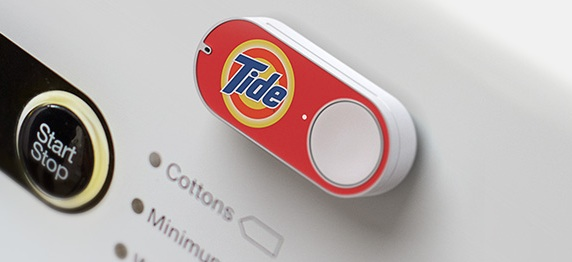


So this might seem a bit like an April Fool’s prank, but Amazon is seeing it as the way of the future. Amazon Prime members can now order buttons, called Amazon Dash, that allow them to quickly place orders for certain products, such as Tide detergent, that they purchase on a regular basis by simply pressing the button. Don’t worry, there are measures in place so that you don’t order hundreds of bottles of detergent unintentionally. Read more about it from The Verge.


3-D Printing at UMass Amherst
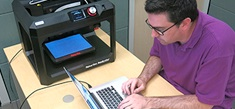
The library at UMass Amherst has recently opened a “MakerBot Innovation Center” as part of their Digital Media Lab. It houses 50 3-D MakerBot printers along with several 3-D scanners.  20 Faculty attended a pre-grand opening training session, and the library is putting together a basics of 3-D printing one credit course for students to learn about 3-D printing. You can read through all the details from Matt Enis at Library Journal.


More about Drones
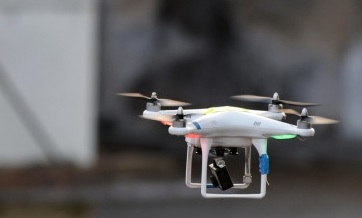
The February 2015 post explored drones that could bump into things without detriment to the person, object, or drone. This article from The Next Web explores the variety of ways that drones of different types are being used to improve the world from helping with search and rescue to delivering needed medications. You can read more about uses for drones here.


Apple Event
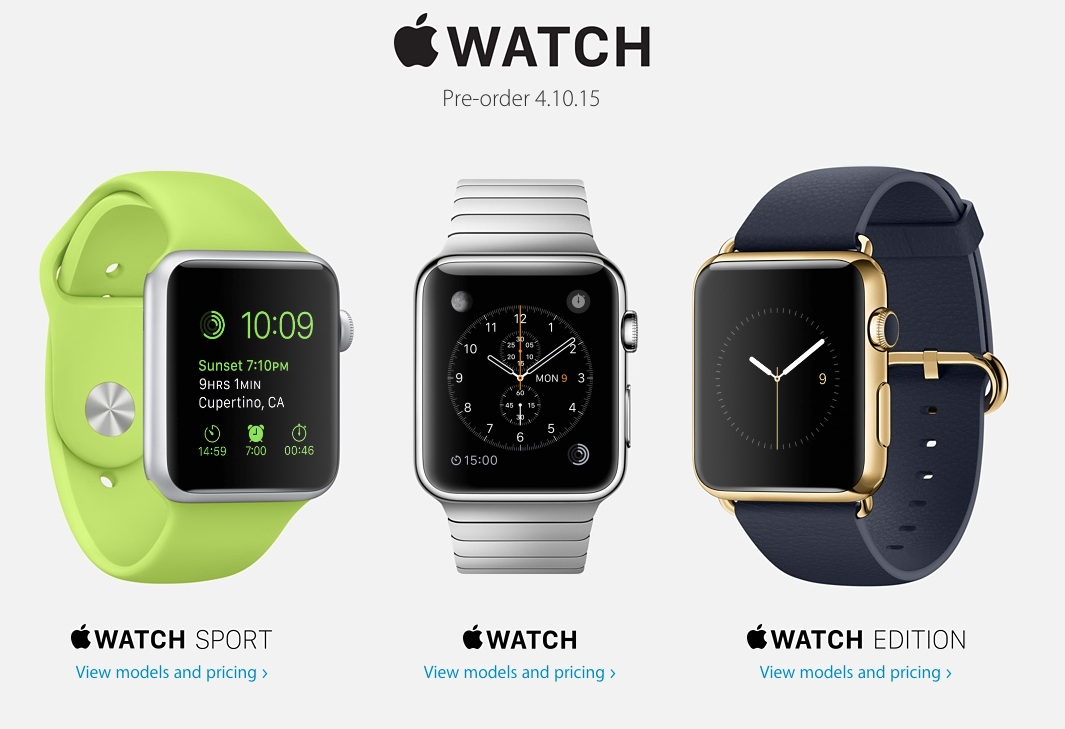

During the Apple Event on March 9th, the company made a number of announcements. These included the reveal of the new Apple Watch which is set to come out this month, along with an updated line of MacBooks, as well as an updated Apple TV. All of the products can now be viewed in the Apple Store, but if you’d like a quick overview of the most interesting parts of the event check out this article from The Verge.


Google Maps and PacMan

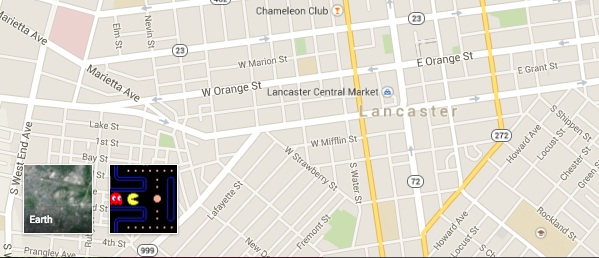
If you open Google Maps right now you’ll notice that there is a PacMan button at the bottom left of the map. Turn any location (including the F&M campus!) into a fancy game of PacMan. You can read more about it from The Next Web or try it for yourself: maps.google.com.  


Turn Your Handwriting into a Font

Do you really like your handwriting? You can turn it into a font for free from MyScriptFont.com. Read more about it from makezine.com.

Wednesday, March 4, 2015

February 2015

Digital Collections:


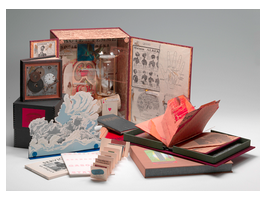
The Smithsonian Libraries created a searchable interface to highlight several different artist book collections from a number of the branch libraries. Read about the project on their blog and browse/search through the collections here.


In addition to the Smithsonian the British Library is expanding it’s “Endangered Archives” collections. The New York Times describes the expansion in a blog post. If you’d look to check out the full collection you can do so here.


A digital archive of Troubles Art has also recently be launched in Ireland. You can read more about it from the Arts Council of Northern Ireland and you can view the collection here.


More from Amazon:


Amazon Giveaways  


Amazon has introduced a new feature which lets anyone create a contest from their site. You choose what you want to give away, enter the details of the contest, and Amazon gives you a link to share with your audience. You can find all of the details from Amazon or read about it on The Next Web.


Amazon Echo


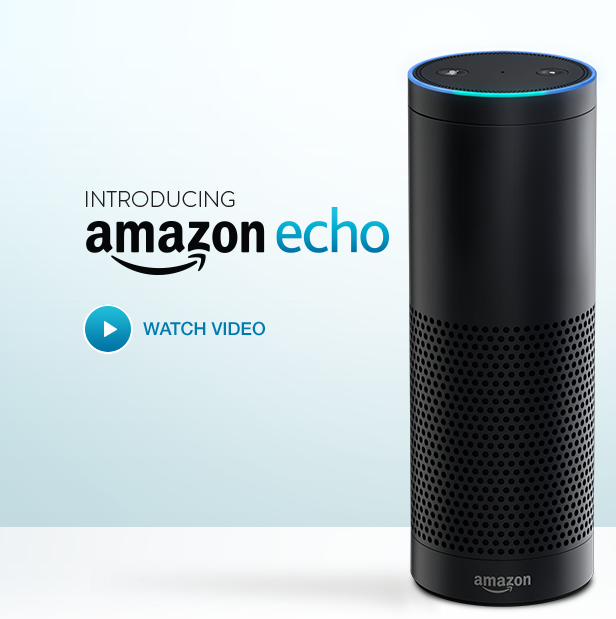
Amazon has created a smart bluetooth speaker that has a Siri-like assistant named Alexa. For more information Mashable provides an overview here and you can check out Amazon’s product page. If you’d like one for yourself you’ll need to sign up for an invitation. For a limited time Prime members receive a $100 discount.  


Collision Tolerant Drone:


The company Flyability has recently created a drone that can be flown into people or objects without detriment to either the drone or the object its running into called GimBall. It is thought that tis type of device might be used in search and rescue instances where it is too dangerous to send in a person. You can read more about it from the Verge or Yahoo Tech.


Visit Historic Places with Google Maps or Zip-line through the Rainforest:


Google maps let you travel all over the world without ever leaving the comfort of your desk chair. You can check out historic places and the Amazon using the street view feature. What places have you explored through maps?


Apple’s Electric Car?


Rumors abound that Apple is working on an electric car and, while it may not come to fruition, the number of employees assigned to the task indicate that they are relatively committed to the project. You can read more about it from the Wall Street Journal or ReadWrite.


IKEA’s Wireless Charging Furniture:


IKEA has announced a line of furniture that will charge your devices that utilize Qi wireless charging technology and it should be available sometime this spring. If your phone doesn’t use this technology IKEA will also sell covers that make your phone Qi compatible. You can read more about the line from the Wall Street Journal tech blog or from Mashable.

Thursday, February 12, 2015

January 2015

Lending Wifi Hotspots - Chicago and New York

Public libraries in Chicago and NYC are lending Wifi hotspots as an attempt to eliminate the digital divide. It will be interesting to see how heavily the program is used and what other public libraries will begin similar lending programs. You can read more about Chicago’s new program from the Chicago Sun Times and NYC’s program from cNet.


Knight Foundation Awards


This past September the Knight Foundation asked this question: “How might we leverage libraries as a platform to build more knowledgeable communities?” Projects were submitted by the end of that month, and the winners were announced at the beginning of this year. You can read about the 22 winning ideas in this press release. Many of the projects focus on turning existing types of physical data/items into usable digital collections.


The International Consumer Electronics Show

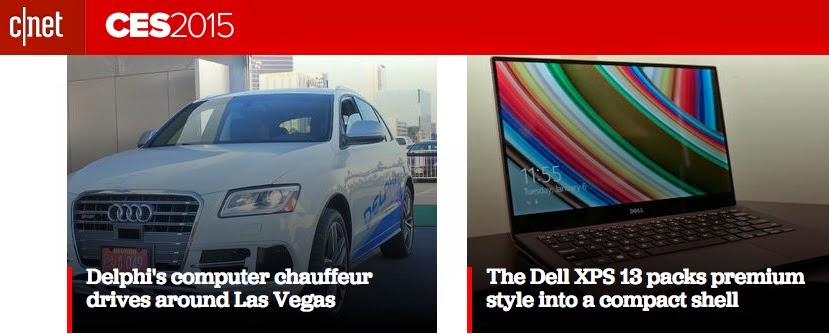
The international Consumer Electronics Show (CES) was held from Jan. 6-9 in Las Vegas. There were a multitude of products presented from self driving cars, to 3-D Printing, to Polaroid prints. 

For a quick look at some of the best check out the must-see list curated by CNET.


Self-destructing Book


This is basically what it sounds like. To increase publicity for the release of his new book, Private Vegas, James Patterson is giving away 1000 electronic copies - but the catch is that they disappear after 24 hours. Read about it from Jon Fingas at Engadget.

Wednesday, January 7, 2015

December 2014

Jane Austen’s Manuscripts Online:


For all of you Austen fans, the handwritten drafts of a number of her works have now been digitized and made available for viewing online. Now you can take a look without traveling all the way to the UK!


Hachette selling books on Twitter:


Hachette has taken a new approach to selling books by using the social media tool Twitter. While this is still in the experimentation phase it will be interesting to see where it goes. The New York Times has the details here.


Inside the Kindle Design Lab:


While there are a variety of e-readers for consumers to choose from, many have opted for a version of Amazon's Kindle (myself included). Casey Newton from The Verge goes inside the Kindle design lab to explore what might be next for the product. You can read about it here.


Almost 2400 MS Dos Games Available in the Internet Archive:

The Internet Archive is now home to over 2000 MS-DOS video games, which have the ability to be played from within your browser. The variety of games include the likes of Tetris, Oregon Trail, and Where in the World is Carmen Sandiego. Abby Ohlheiser of the Washington Post gives a few more details here.

Tuesday, December 2, 2014

November 2014

Beacon Technology in Libraries:
Wlan, Pengirim, Bluetooth,

Beacons are small devices that can transmit messages to bluetooth enabled devices. They made their debut in some Major League Baseball stadiums this past summer, welcoming people to the ballpark, offering discounts, and a selected history of the field according to Chris Velazco of TechCrunch. In upstate New York, the Fayetteville Free Library has begun utilizing a number of these devices from the company BluuBeam to promote things like upcoming library events and daily cafe specials. You can read more about the use of these devices in libraries from Matt Enis of Library Journal.

Survey on Faculty Use of Technology:

Inside Higher Ed recently conducted a Survey of Faculty Attitudes on Technology, with a focus on online learning. While the report does not necessarily address library technology specifically, Steven Bell gives a library spin on the results of the survey in his article Looking for Clues. You can download a full copy of the report here.


Digital Currency:


Forbes recently released a series of articles exploring digital currency with economist Susan Athey. They talk about what digital currency is, how it can make money more secure, and how it might benefit different people. If you’ve been hearing about bitcoin and wondering what in the world it is, the first article might be for you.


Thoughts on Digital Humanities:

Still not quite sure what the digital humanities are or you’d like to learn more? This article from Brian Matthews briefly explores what the digital humanities are and how they relate to the library at Emory University.


Order Girl Scout Cookies Online:


Starting this season Girl Scouts can now opt to sell their treats online through individual kickstarter-like pages called “Digital Cookie.” To keep the personal touch, to order cookies online you need to know a Girl Scout and have her send you an email invitation to purchase the cookies. They will also still be sold for a limited time, so be sure to stock up! You can read more about the program from the Verge.

Monday, November 3, 2014

Late October 2014

Google, Oxford and AI:


Google and Oxford University are joining forces to work on advancing research regarding artificial intelligence with a focus on image recognition and natural language understanding. For a few more details check on this article from The Next Web or Google’s Europe blog.

Understanding Shakespeare:


JStor and the Folger Shakespeare Library have partnered to create a resource called “Understanding Shakespeare.” With it scholars can click on different lines of the bard’s plays and be brought to a set of items in JStore which reference that particular line.  For more detailed information check out their about page.


Google’s Inbox:


Google has released a new Inbox app for Andriod and iOS that allows you to use your inbox as a “To Do” list. There are, however, two caveats. The first is that it is available by invitation only (I’m still waiting for my invite). The second is that it only works with @gmail.com email addresses. Hopefully there will be Google Apps integration in the near future, but if you can snag an invite it might be interesting to explore for your personal Gmail account. Check it out on The Verge.

Privacy and Technology:


Libraries have historically been protectors of patron privacy. We don’t give out information about what books our patrons have checked out or that they’ve checked out in the past. However, this is a whole different ball game when third parties, such as Adobe enter the mix. Adobe Digital Editions keeps track of the books that patrons are reading and sends information about this back to Adobe. Read more on the issue from Slate.  


3D Printing and Scanning:


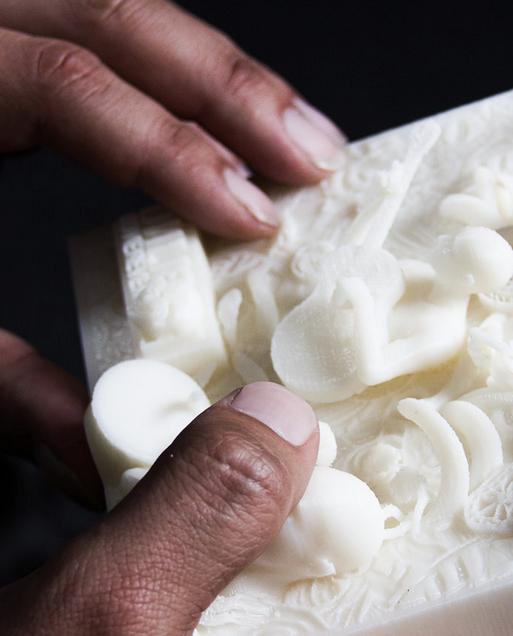
Each day it seems that there are new uses for 3D printing. Recently a project called Touchable Memories has used 3D printing to transform photographs into physical objects to aid the blind in remembering past life events. The Verge gives a few more details or you can check out the Touchable Memories website.


Along another vein, HP is working on a line of 3D printers that allow for multiple nozzles, resulting in incredibly fine detail, and much faster print times. While the printer won’t be available till 2016 it’s exciting to think about what types of items could be created with it. More details can be found from Forbes.


HP has also released a new PC that has a built in 3D scanner called Sprout which seems to be tailored toward those interested in creative work. Engadget gives an overview of the features of the new PC here.


Learning to Drive Tools:


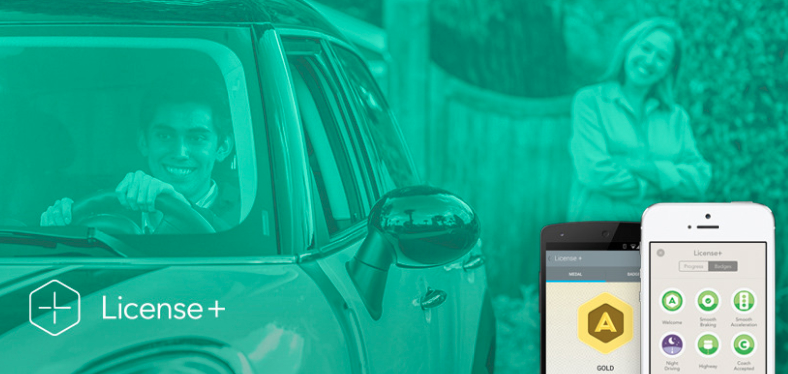
A coaching tool for teen drivers called License+ was recently launched by the company Automatic. A device is plugged into the car and monitors various driving habits - speed, breaking, etc. as well as the condition of the vehicle. New drivers can also earn badges as they work on their driving skills. A more complete overview of the tool can be found from TechCrunch.  


The Robots Make Headlines:


The Robots mentioned in my September post gained quite a bit of media attention. The Digital Shift gives us some further information regarding the project for those who are interested.